The Race is On: Bernie on Energy

By: Chris Amstutz

Like so much going on today, your political identity may determine how you interpret the title of this blog. Is 2020 truly the biggest election year ever, as CNN and Fox News say? Is it really the year that will finally decide the fate of our planet and children? The political debates and dramatic posing are better than much of network television these days (minus the Bachelor). The Democratic party candidates’ proposals to save the planet in the next 12 years have us thinking back to our favorite Marty Huggins quote from the Campaign of the century, “Get your brooms because it’s a mess“. Our last blog on this topic, Jeopardy: Green New Deal was published a year ago and served as an intro to green energy policy. The reality is, this election race has set up a referendum on energy policy, and the direction in which the parties are running are widely different. Why should we (or you) care? Never has a national energy policy gained so much attention for completely altering the energy grid, as what is being proposed by Senator Bernie Sanders.

The now presumptive front-runner for the Democratic party nomination, Bernie Sanders, has posted a 15,000-word plan on his website spelling out the transition to a 100% carbon free country by 2030. The main points entail:

  • $16,000,000,000,000 (trillion) in grants, subsidies, infrastructure investment and labor wages to transform the energy grid in 10 years.
  • Full decarbonization of the transportation sector, moving all vehicles and long-haul trucks away from oil or natural gas.
  • Full decarbonization of electricity generation, closing Natural Gas and Coal fired power plants.
  • Phasing out Nuclear energy (see our last blog on Nuclear energy here).

In total, Sanders seeks to eliminate 88.5% of the yearly energy sources in the U.S. (equivalent to the energy output of 17.2 billion barrels of oil) according to the 2018 energy consumption chart above. Opposition to the Green New Deal focus on beliefs that:

  • Unrealized costs could push the cost of the plan’s price to $60 trillion.
  • We do not have the technology or physical resources like land, lithium, cobalt, etc. to accomplish the plan.
  • Based on recently deployed green energy, it is estimated that an additional 250,000 – 350,000 square miles of land (the size of the area in green below) would be needed to replace fossil fuels for current electricity levels. Up to 600% more electricity could be needed for transportation.

Discouragement may or may not be the intent of Bernie’s skeptics. Everyone wants the best for society, but the race to save the planet may be more of “a mess” than many believe.

The Presidential race will be settled in November (barring Russian collusion), but the energy debate likely won’t have an agreed upon outcome. For millions of Americans the issue of saving the climate is non-negotiable. The plan that Bernie Sanders has laid out does have detailed descriptions of what money will be spent on, but it still lacks the deep technical knowledge needed to see it through. Will businesses be left on the hook for infrastructure changes, existing natural gas or electricity contract balances, switching to electric vehicles, and all unknown price or tax increases affecting their industries? These concerns are real, and hopefully answers will be given soon. The Choice Energy Risk Management Team will continue to watch the debates (no matter how painful they may be) to safely guide our clients through any implications of the 2020 election race.

Confidential: Choice Energy Services Retail, LP.
Strategery

By: Matthew Mattingly

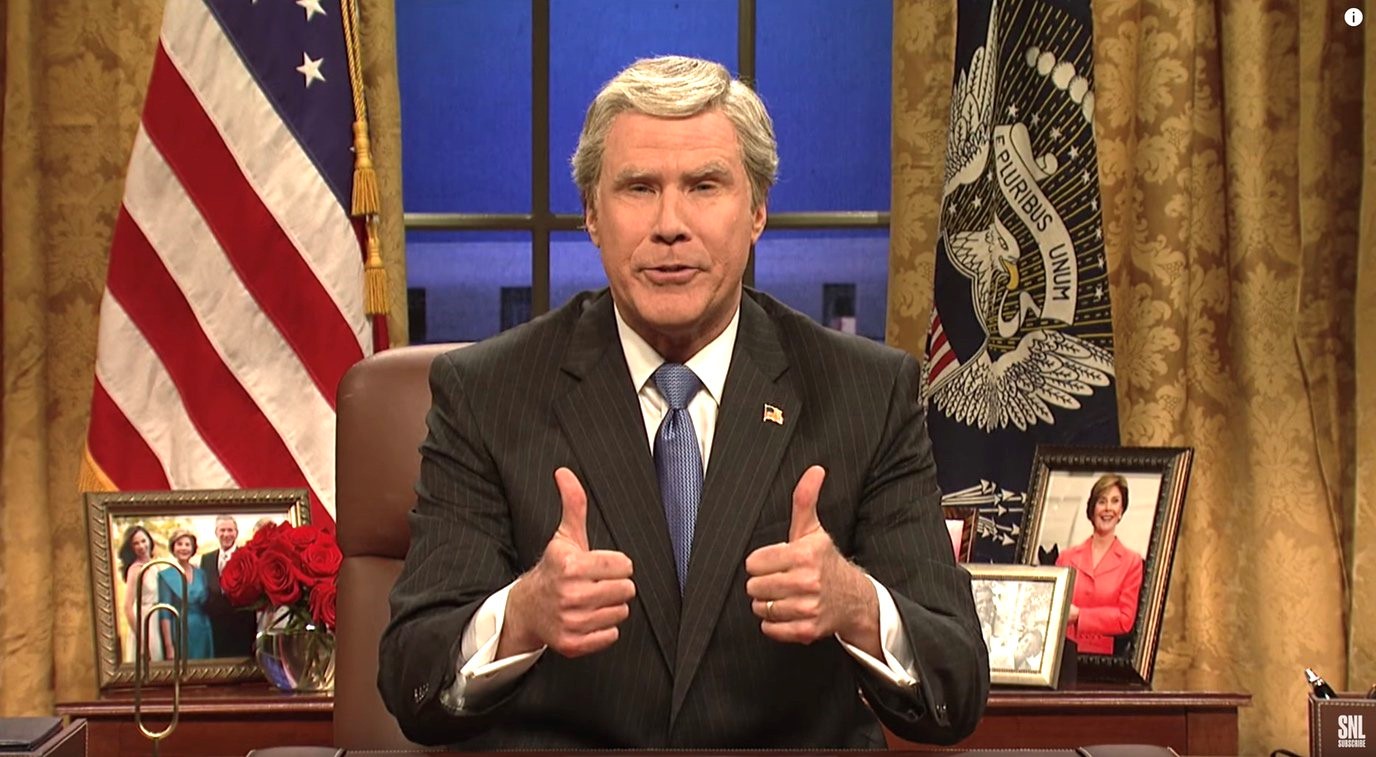
I often get asked what separates Choice! Energy Management from our competition. Usually I respond with the word “Strategery” to describe our services. Not only does it typically get a smirk from those that remember the classic Bush v Gore SNL skit, but it gets people to quickly associate Choice with a key service offering: STRATEGIC PROCUREMENT. While electricity and natural gas procurement have been the backbone of energy consulting since deregulation began in the 1990s, not every consultant is strategic with their energy procurement recommendations. Countless times I have walked into a prospective client’s office, and been told that their previous consultant only provided them with the minimal effort process of procuring 30-60 days prior to contract expiration. What is strategic about that?

The Choice Way

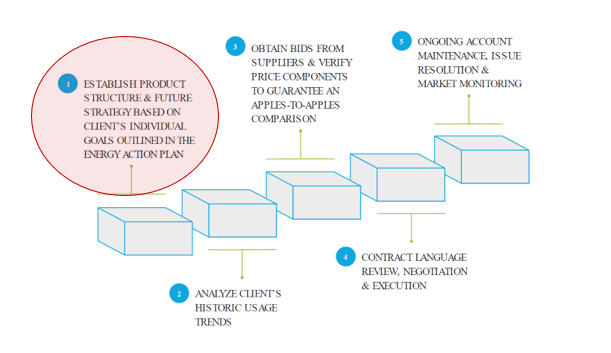
At its core, the procurement process looks similar for many energy consulting companies. The analyzing of a client’s usage is followed by obtaining and verifying bids, and then reviewing and executing the procurement contract. However, many miss the first, most important step of the TIMING of the RFP. This is where we at Choice! Energy Management differentiate ourselves from the competition. We truly take the time to understand our client’s risk tolerance, financial goals, and objectives, and then develop a procurement plan around this profile. Once that Energy Action Plan is established with our clients, we then evaluate each energy market area, determining opportunities that may exist. The right timing window in certain market areas can be as razor thin as vote counts in Florida, but our market experience ensures that no recounts are needed after execution. This allows us to guide our clients through each purchase decision, and the client becomes a price setter and not a price taker.

Detailed Market Analysis

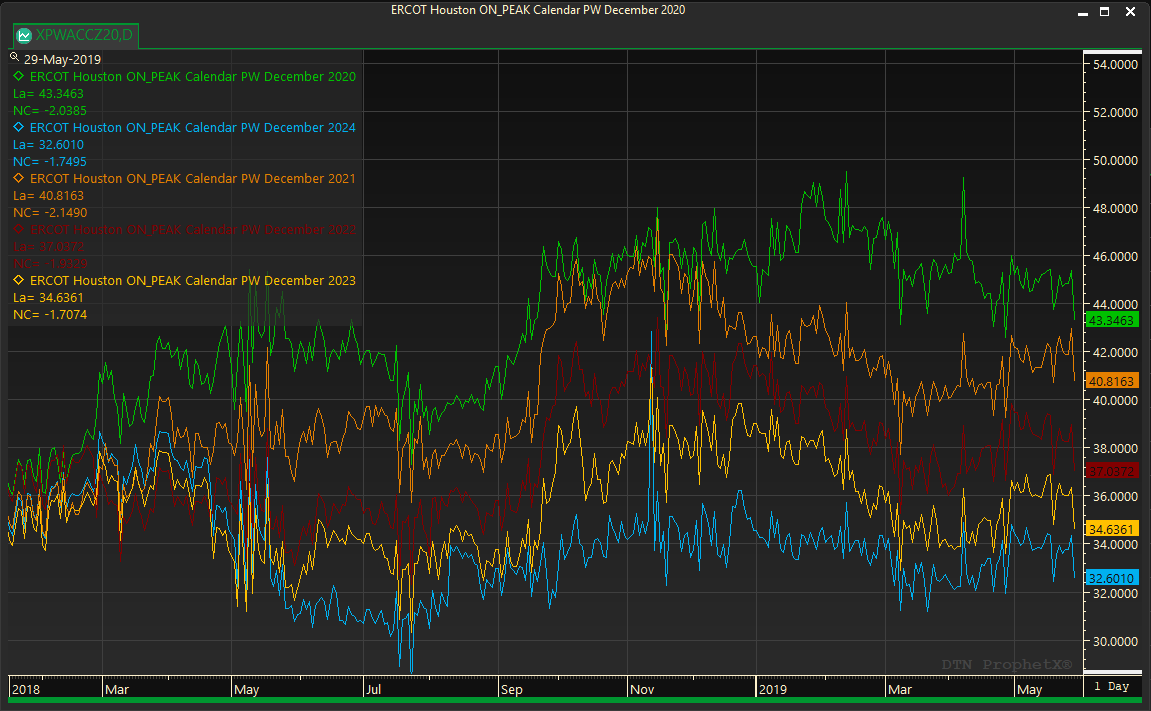
The analysts at Choice pride themselves on the insight and value provided to clients. An example of this analysis has been our ongoing work with clients in Texas. The Texas electricity market has changed a lot over the last couple of years, sort of like the GOP. Coal retirements, West Texas demand growth, delayed natural gas generation projects, and renewable generation growth have resulted in much tighter reserve margins causing dramatic price movements in the ERCOT market. However, that doesn’t mean that opportunities do not exist in this market area. Through constant monitoring of forward curves provided by our sister company, EOX Live, our procurement team has utilized the backwardation that currently exists in the ERCOT markets to our clients’ advantage. With most of the reserve margin fears focused on 2019 and 2020, wholesale electricity curves are trading at a discount in the extended curve when compared to the prompt 2020 calendar strip (see chart below); thus, giving clients attractive contracts in 2021 and beyond. Many of our clients are taking advantage, and are thankful of our team presenting options, even if their current contract is not expiring anytime soon. Many times our clients are beating their current contract, and are also gaining budget certainty and price protection.

Data: EOX LIVE
Graph: Choice! Energy Management via ProphetX Platform

If your energy consultant’s procurement decisions have a consistent pattern of waiting until 30 days prior to contract expiration to execute, then it might be time to look at other consulting options. Our team would love the opportunity to present to you our full energy management program, centered on STRATEGIC PROCUREMENT. Don’t get fooled by the same lack of procurement service. As our great, 43rd President once said…… “Fool me once, shame on…shame on you. Fool me — you can’t get fooled again.”

Confidential: Choice Energy Services Retail, LP.
Jeopardy – Green New Deal

By: Chris Amstutz

What better of a way to talk about the Green New Deal than by comparing it to America’s favorite guessing game? We’ve seen talking heads coast to coast debate the merits of this idea to revolutionize the energy grid, many of whom haven’t thought twice about how their iPhone gets charged at night. While the game of Jeopardy operates in fact base questions, there seems to be a lack of understanding about what is truly being proposed in Congress. Choice! Energy Management is not in the business of influencing politics (thankfully), but when politics encroach upon the energy markets, we are obligated to analyze the risks. We may not be Alex Trebek, but we do know a thing or two about energy markets and how the government may affect them.

Category: The State of Green

$200: This is the fastest growing electricity source … “What is, Wind Energy.”

$400: 2018 was equal to this past year for national CO2 emissions … “What is, 1992.”

$600: Since 2005, 66% of America’s total reduction in CO2 emissions has come from the help of this fuel source … “What is Natural Gas.”

$800: This US State has seen the largest generation of non-hydro renewable energy … “What is, Texas.”

$1000: This beer-loving European country has implemented similar, national energy initiatives … “What is, Germany.”

America has taken great strides to reduce its carbon footprint. This has mainly been due to free market natural gas prices becoming cheaper than coal prices, and infrastructure changes will continue to reinforce this.

Category: “Bright” Green Ideas

$400: The 2019 Green New Deal wants the U.S. to have net-zero carbon emissions by this year … “What is, 2030.”

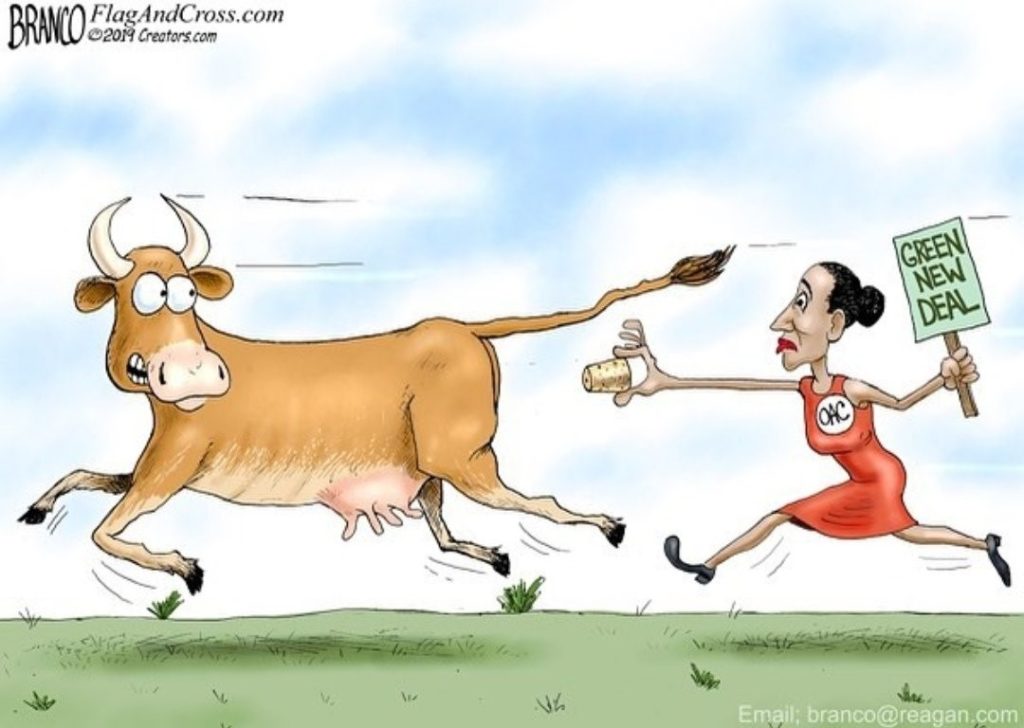
$800: This bovine by-product’s, environmental impact has become a source of mockery … “What is, methane.”

$1200: This type of taxation has been proposed to pay for a Green New Deal … “What is, a Carbon Tax.”

$1600: This amount of technical, grid solutions have been proposed in the Green New Deal … “What is, Zero.”

$2000 (Daily Double): This has been the rumored price tag for the Green New Deal energy changes … “What is, $15-25 Trillion” (Any number will be accepted due to hypothetical nature of the question).

While details are slim in the Green New Deal, opponents argue that the proposal is a non-starter, for we do not currently have sufficient green technology to meet the physical realities of the fluctuating grid (especially without increased nuclear power). Proponents argue that the death of our planet, and the potential for a $500 billion reduction in GDP, due to climate change, make the cost of the Green New Deal irrelevant. Click here for an open minded Twitter thread on the logistics of the topic. The fate of the planet very well could be a question that only Alex Trebek has the answer to.

Final Jeopardy Category: Greener Pastures?

Question: This term can best be used to describe the current conversation about the Green New Deal relating to energy?… (Catchy final tune)… “What is, Symbolic.” At the end of the day, there is no indication that we are nearing the passing of any federal legislation for green energy (outside of existing subsidies). Recently, voters in the state of Washington voted down a proposed carbon tax. Other legislation like the Climate and Community Protection Act (CCPA) proposal in New York, likely has little chances of passing in its current form. The theme of promoting green energy to curb climate change will not be going away anytime soon. All of the current Democrat Party presidential candidates are supporting the federal Green New Deal. As we stand today, any government intervention in the energy markets will likely result in increased prices for consumers. Whether for, against, or indifferent, the talks about green energy have escalated, and Choice! Energy Management will continue to monitor the implications on the federal and state levels.

Confidential: Choice Energy Services Retail, LP.